



The President of the Karate Federation of Nigeria (KFN), Engr. (Dr.) Chukwudi Dimkpa, FNSE, has called on Nigerian karate athletes to embrace discipline, respect, courage and excellence as the country continues its drive to reposition the sport for greater success on the continental and global stage.
Dimkpa made the call at the conclusion of the Japanese Ambassador’s Cup Karate Championship, held on Saturday at the MKO Abiola National Stadium, Abuja, where he described the competition as more than an event for winning medals.

Addressing athletes, officials, coaches and distinguished guests, the KFN President expressed appreciation to the Ambassador of Japan and the Embassy of Japan in Nigeria for their continued support and partnership in the development of karate in Nigeria.

According to Dimkpa, Japan’s special place in the history and tradition of karate makes the championship an important platform for strengthening the relationship between both countries through sport, cultural exchange and shared values.


He noted that the Japanese Ambassador’s Cup, which is a KFN Ranked Event – Factor 6, provided athletes with a valuable opportunity to improve their national rankings while testing their preparedness for higher-level international competitions.
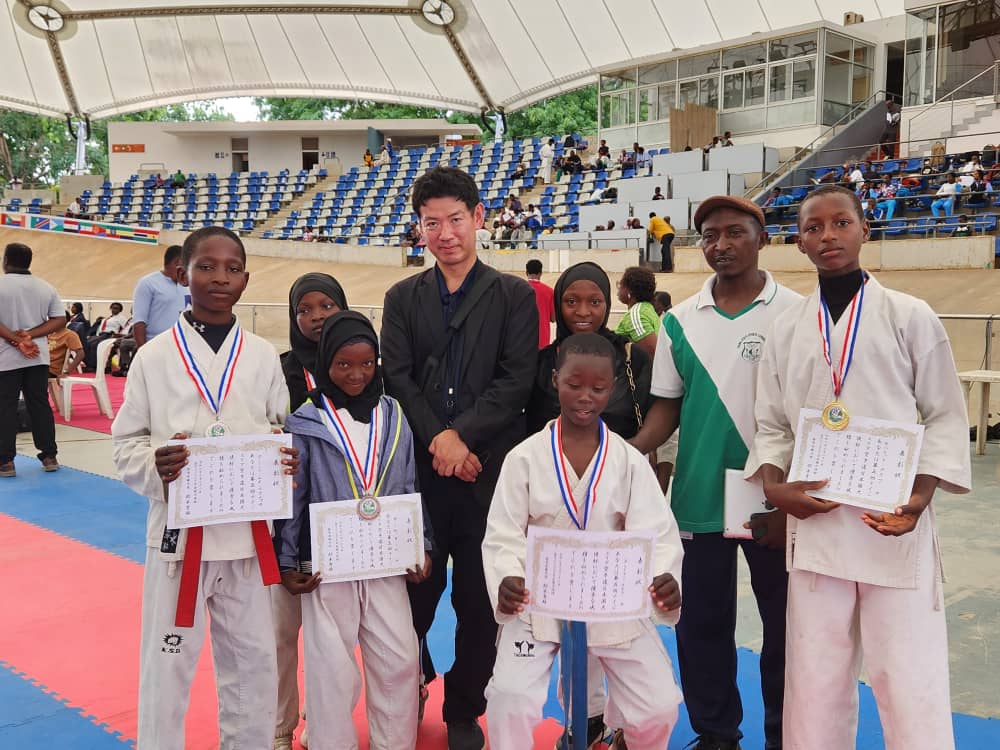
The KFN President said the championship also served as an important build-up to the UFAK African Karate Championships in Algiers, Algeria, scheduled for September 6–13, 2026, urging athletes who emerge for the national team to carry the Nigerian flag with pride and discipline.
Dimkpa stressed that a new chapter had begun in Nigerian karate, with the Federation determined to place athletes at the centre of its programmes while promoting professionalism, transparency, inclusiveness and excellence.
He said the KFN would continue to focus on grassroots development, strengthen its technical and officiating structures and provide more quality competitions capable of preparing Nigerian athletes for continental and global challenges.
“Victory is important, but the true spirit of karate goes beyond winning a medal,” Dimkpa told the athletes, urging them to compete fiercely but honourably, respect their opponents and officials, and remember that they represent Nigeria whenever they step onto the tatami.
He also commended the coaches, referees, technical officials, volunteers and other stakeholders whose contributions made the championship possible.
Dimkpa further emphasised the importance of partnerships, particularly the relationship between the KFN and the Embassy of Japan, expressing optimism that the collaboration would grow stronger in the years ahead.
He concluded by wishing Team Nigeria success at the forthcoming African Championships in Algeria, while expressing confidence that the continued development of karate would strengthen the bond of friendship between Nigeria and Japan.
The Japanese Ambassador’s Cup therefore ended not merely as a championship, but as another significant step in the KFN’s renewed effort to build a stronger, more competitive and athlete-centred karate structure in Nigeria.
