


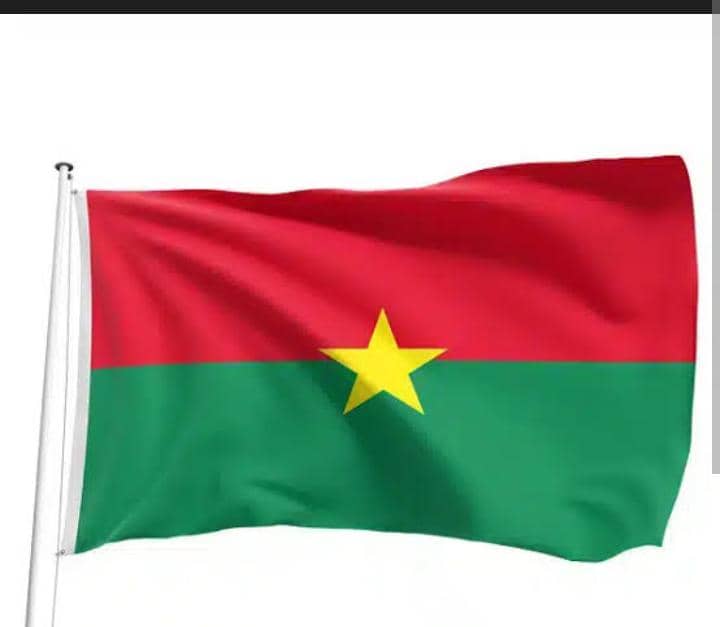
Burkina Faso’s military-led government recently took one of the most sweeping decisions seen globally in recent years, formally dissolving all political parties and repealing the legal framework governing party politics. The move goes beyond the earlier suspension of political activities following the 2022 coup. Under the new directive, all registered political parties cease to exist, their assets are transferred to the state, and laws regulating party formation and operations have been abolished.
Government officials described the decision as part of a broader effort to “rebuild the state” after years of political instability and deepening insecurity. They argue that the country’s multiparty system had become excessively fragmented at one point hosting over 100 registered political parties undermining national unity and effective governance. The military leadership presents the dissolution as a clean break from what it considers a failed political order, aimed at preserving national cohesion, strengthening state authority, and resetting governance structures.
This development unfolds against the backdrop of prolonged insecurity, with insurgent violence linked to ISIS and Al-Qaeda displacing millions and destabilising large parts of the country. Burkina Faso has also endured multiple coups, with military leaders insisting that civilian governments were unable to contain the violence or guarantee public safety. Regionally, the move aligns Burkina Faso with Mali and Niger, forming an emerging Sahelian bloc of military-led states that have distanced themselves from Western partners while pursuing new political and security alliances.
The decision, however, has drawn sharp criticism from analysts, civil society groups, and international observers. Critics opined that dissolving political parties will eliminate organized opposition, removes electoral competition, and leaves no clear institutional pathway .There are also fears that the move could weaken checks and balances and entrench military authority indefinitely.
Supporters counter that in a context of existential security threats, state survival must take precedence over political pluralism. Critics respond that dismantling party politics risks eroding democratic foundations rather than strengthening them.
However, the gains of the new system include reduced political fragmentation, faster decision-making during a security crisis, the weakening of a discredited political elite, short-term national cohesion, and alignment with similar military-led regimes in the Sahel.
The pains are equally significant: the elimination of organised opposition, weakened democratic safeguards, the absence of a clear path back to civilian rule, the risk of prolonged military entrenchment, potential international isolation, and the creation of a long-term political vacuum.
While the development may deliver short-term stability and decisiveness, it carries serious long-term risks for democratic governance and political renewal, with implications that could extend beyond Burkina Faso to shape the future of governance across the Sahel.
Emmanuel Olagunju writes from Ibadan, Oyo State
