


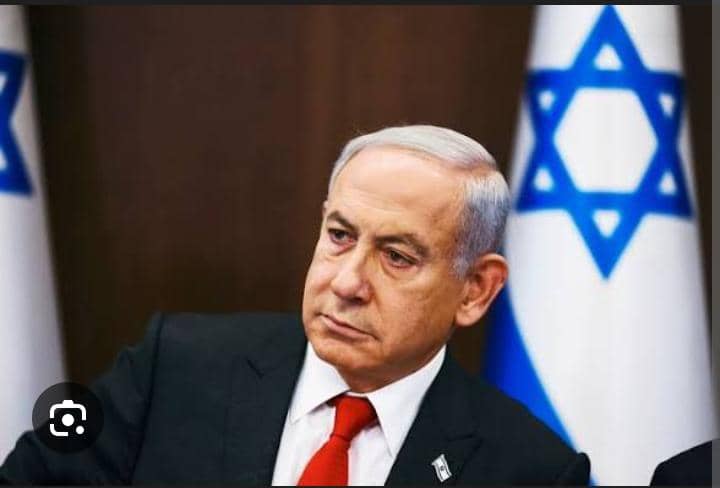
Tensions in the Middle East have reached a boiling point as Iran’s Islamic Revolutionary Guard Corps (IRGC) publicly threatened Israel’s Prime Minister, Benjamin Netanyahu.
In a statement on its official outlet, Sepah News, the IRGC labeled Netanyahu a “child-killing criminal” and vowed to hunt him down relentlessly. “If this child-killing criminal is alive, we will continue to pursue and kill him with full force,” the statement warned

The threat comes amid swirling rumors on social media about Netanyahu’s possible death, claims swiftly denied by the Israel Defense Forces and other Israeli authorities.

Netanyahu remains alive, officials confirmed, but the warning reflects the increasingly dangerous trajectory of the Iran-Israel confrontation.

The hostility escalated sharply after February 28, 2026, when coordinated airstrikes allegedly conducted by Israel and the United States targeted multiple sites across Iran. Reports indicate that the strikes killed Iran’s Supreme Leader, Ali Khamenei, along with several senior officials.
In retaliation, Iran unleashed missile and drone attacks against Israeli territory, U.S. military bases, and allied nations in the region, setting off a cycle of tit-for-tat violence.
The human toll of the conflict continues to grow. Israel’s Health Ministry reported that in the past 24 hours, 108 people were hospitalized, including two in moderate condition and 96 in stable condition, while nine were treated for anxiety. Since the start of the war, over 3,000 people, both civilians and soldiers, have required hospital care. Currently, 81 remain hospitalized, with one in critical condition and several others in serious or moderate states.
Amid the violence, the United States has signaled cautious engagement. Former President Donald Trump revealed that Iran had expressed a willingness to negotiate, though he deemed the proposed terms unsatisfactory. He also questioned reports regarding the status of Iran’s newly appointed supreme leader and raised concerns about potential mines in the strategically vital Strait of Hormuz, a crucial artery for global oil shipments.
In Iran, authorities have reportedly arrested 20 individuals accused of aiding Israeli intelligence by passing on sensitive military and security information. Sources suggest that these arrests, made in West Azerbaijan Province, coincide with a new phase of Israeli attacks focused on Iranian security checkpoints, relying heavily on intelligence from inside Iran.
The ongoing conflict is already reverberating far beyond the battlefield. Global oil markets have felt the impact, with prices climbing amid fears of instability in the Middle East, highlighting the broader economic stakes of the escalating war.
