


,
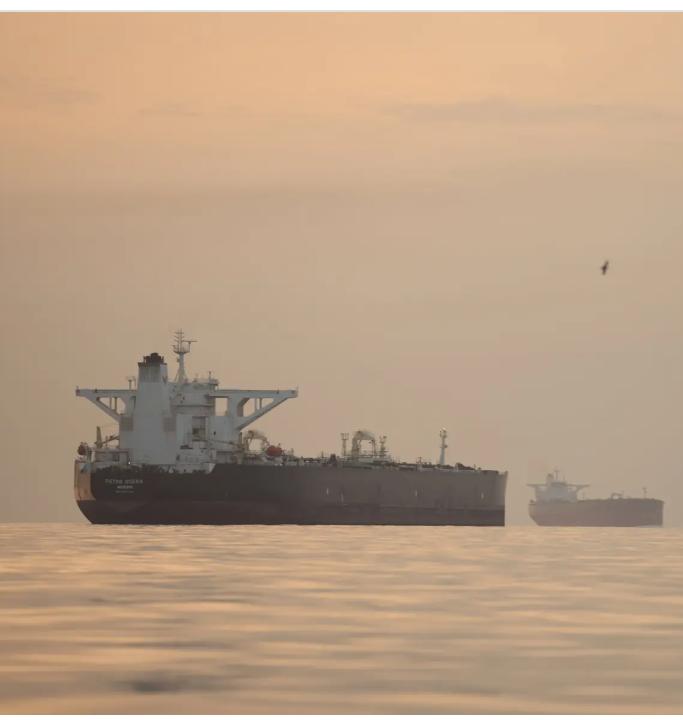
A fresh wave of tension has erupted in the Strait of Hormuz after Iran abruptly reinstated strict control over the vital shipping route, less than a day after declaring it open to commercial traffic.

According to a report by The New York Times, Iran’s military announced on Saturday that it had returned the strait to its “previous state,” signaling tighter restrictions on movement. The move came shortly after a cease-fire between Israel and Lebanon had briefly raised hopes of safer passage.

Iran stated that it would continue enforcing strict control over the waterway unless the United States lifts its blockade on Iranian ports, linking maritime access directly to ongoing geopolitical tensions.


Before the reversal, maritime data firm Kpler reported that 19 ships had successfully passed through the strait a modest increase in traffic. However, that situation quickly deteriorated following reports of attacks on commercial vessels.
The United Kingdom Maritime Trade Operations confirmed that two ships were hit in separate incidents. In one case, vessels linked to Iran’s Islamic Revolutionary Guard Corps opened fire on a tanker without issuing prior warning. Despite the attack, the ship’s crew was reported safe.
The Strait of Hormuz remains one of the world’s most critical maritime corridors, handling a substantial portion of global oil shipments. Any disruption in this area has immediate implications for international trade and energy markets.
